See what your loan could cost
Enter the amount, lender rate and loan term to estimate your scheme-supported rate and monthly repayment.
Scheme-supported loan
View calculation details
Estimate only. The lender determines the final contractual rate, affordability and eligibility. Technology-specific scheme loan limits may also apply.
Participating Lenders





What Can the Loan Cover?
- Solar PV: up to £15,000
- Battery storage: up to £15,000
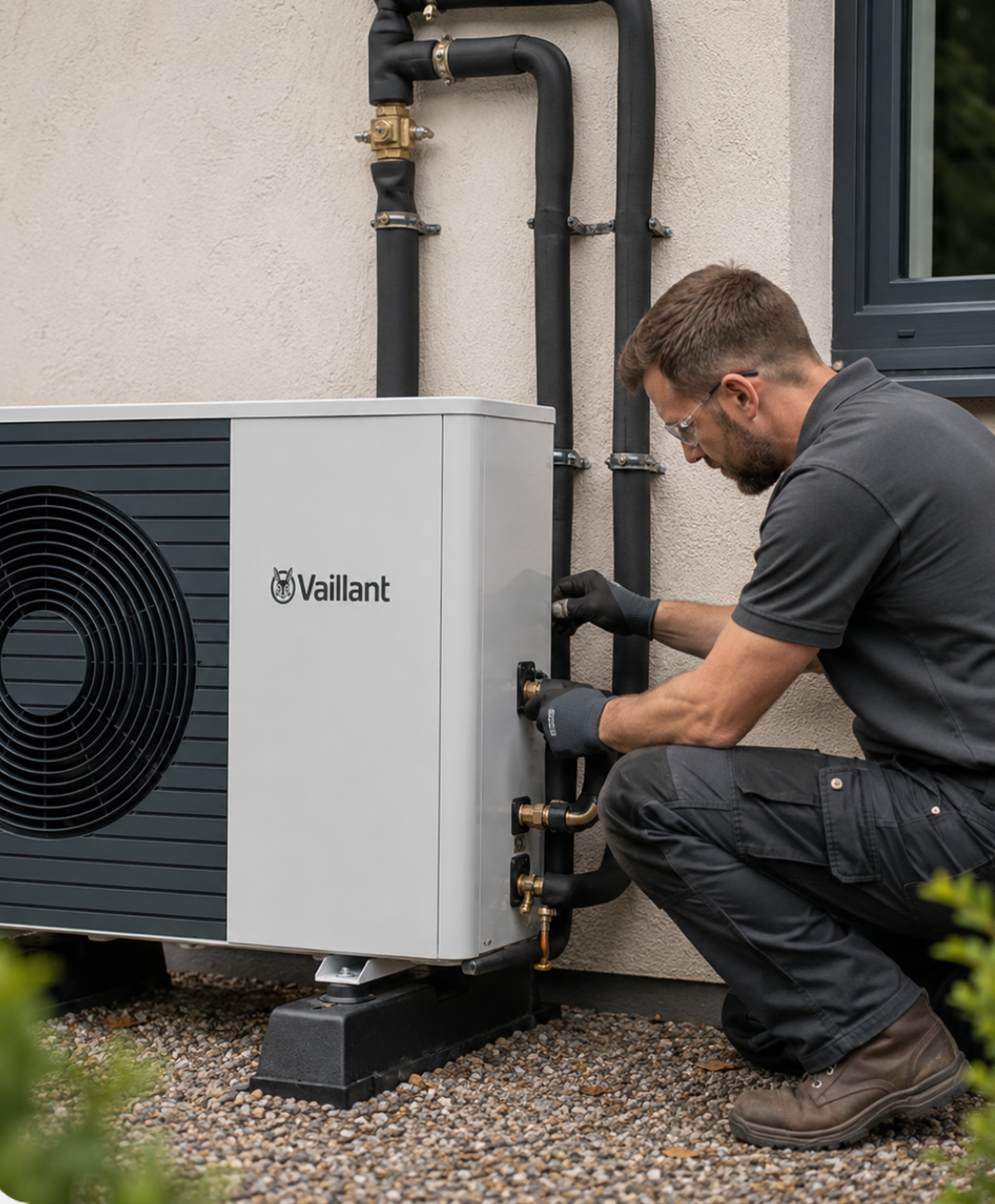
- Air-water source heat pump: up to £20,000
- Ground source heat pumps: up to £25,000
- Biomass boiler: up to £20,000
- Heat network connection: up to £7,500
- Micro-renewable system: up to £20,000
All improvements must meet the eligibility requirements of the Warm Homes Loan Scheme

Frequently asked questions
Find clear answers to common questions about the Warm Homes Loan Scheme, including eligibility, supported measures, borrowing limits, interest-rate support, installer requirements, grants, payments and early repayment.
Important:
These FAQs are a simplified summary of the Warm Homes Loan Scheme – Scheme Rules, September 2026. Individual lenders remain responsible for their lending products, eligibility checks, affordability assessments, rates and credit decisions. Scheme requirements may also be updated by the Department for Energy Security and Net Zero.
The Warm Homes Loan Scheme (WHLS) is a UK Government-supported initiative designed to make finance more affordable for eligible low-carbon heating and clean energy home improvements. Participating lenders offer loans supported by government funding, with the financial benefit passed on to borrowers through a reduced interest rate.
The Scheme is available to eligible
owner-occupiers
and
private rented sector landlords
who want to install an eligible measure at a domestic property and are able to borrow and repay the finance.
There is no Scheme-level income threshold. However, the lender will carry out its normal creditworthiness and affordability checks and may have additional lending criteria.
Domestic properties located anywhere in the
United Kingdom
can be eligible.
A domestic property is a building or structure currently used, or suitable for use, as a dwelling. Some mixed-use properties may also qualify where the installation is principally intended to meet the energy needs of the household.
Eligible measures include:
• Solar photovoltaic (PV) systems
• Electrical battery storage
• Air-to-water source heat pumps
• Ground source heat pumps, including water source heat pumps and shared ground loops
• Biomass boilers in eligible circumstances
• Low-carbon heat network connections
• Domestic wind turbines
• Domestic micro-hydroelectric systems
Air-to-air source heat pumps are listed within the Scheme but are
not currently eligible for applications
until the relevant standards and certification requirements are in place.
Yes. Certain costs that are necessary for the installation and effective operation of an eligible measure can be included.
For example, a heat pump installation may include necessary radiator, pipework and water tank improvements. Solar installations may include scaffolding, temporary safety equipment and grid connection costs. Battery installations may include integration and electrical protection equipment.
However, items such as insulation or replacement roofing are not funded as ancillary costs under the Scheme.
An EV chargepoint can be included
only as part of an eligible solar PV and/or battery storage installation.
It cannot be financed as a standalone measure under the Scheme.
The chargepoint and installer must also meet the relevant Office for Zero Emission Vehicles (OZEV) requirements.
The maximum supported loan depends on the technology being installed. The Scheme Rules currently specify the following caps:
Solar PV — £15,000
Electrical storage battery — £15,000
Air-to-water source heat pump — £20,000*
Air-to-air source heat pump — £10,000*
Ground source heat pump — £35,000*
Biomass boiler — £20,000*
Heat network connection — £7,500
Micro-renewable system — £20,000
*For the applicable heat technologies, the cap is measured before a Boiler Upgrade Scheme grant is deducted.
Any eligible ancillary work must also fit within the relevant overall technology cap.
The government funding is provided to the
participating lender,
rather than being paid directly to the borrower.
The Scheme can provide the lender with a capital grant of up to
20% of the eligible loan amount.
The Scheme requires the benefit of this support to be passed on to the borrower through a reduction in the loan's nominal interest rate.
For eligible loans, the government support is intended to enable a reduction in the nominal interest rate of
up to 5 percentage points
from the relevant starting rate, subject to the applicable grant cap.
The actual reduction will depend on factors including the loan amount, loan term, lender's starting rate and the Scheme's grant calculation.
Government grant support is available for eligible loans with a term of
three years or longer.
Individual lenders will decide which loan terms and products they offer, within the Scheme requirements.
For measures covered by the Microgeneration Certification Scheme (MCS), such as solar PV, battery storage and heat pumps, an
MCS-certified product must be installed by an MCS-certified installer
who is appropriately certified for that technology.
The lender is responsible for checking the relevant installer certification as part of the application and verification process.
Applications are made directly to a participating lender, or through an FCA-approved intermediary where applicable.
For non-embedded finance applications, you will generally need a valid installation quote from an MCS-certified installer. The quote must:
• Be dated within the previous six months
• Be addressed to you
• Be on company-headed paper
• Include the installer's MCS number
• Show the full installation address
• Provide an itemised breakdown of costs
• Show the system size or capacity of the proposed measure
Your lender may also request additional information to complete its affordability, credit and Scheme eligibility checks.
Generally, the same measure cannot also be funded through another public grant or loan.
However, the Scheme specifically permits support alongside the
Boiler Upgrade Scheme (BUS)
and the
Home Energy Scotland Scheme,
where applicable. For example, an eligible borrower may use a Warm Homes Loan to finance heat pump installation costs remaining after a BUS grant has been applied.
The timing of loan payments is determined by the participating lender. Depending on its product and processes, a lender may release funds upfront, pay a deposit, pay the installer directly, or release funds following installation verification.
After installation, the work must be appropriately verified. For MCS installations, completed works are lodged in the MCS Installation Database and an MCS certificate provides the basis for verification.
You may be able to repay or overpay your loan subject to your lender's product terms and applicable regulatory requirements.
Under the Warm Homes Loan Scheme, early repayment, refinancing or overpayments can result in a reconciliation of the government grant between the lender and the Department, because some of the grant support may no longer be required. The Scheme Rules set out how lenders calculate and manage this reconciliation.
You should check your individual loan agreement with your lender for the specific terms, charges or conditions that apply to early repayment or overpayments.