Solar Inverter Replacement Cost UK 2026 | Price Guide
Check Your Eligibility for Boiler Upgrade Scheme (BUS)
Complete your details below to check your eligibility.
Thank you
We've received your details and will be in touch shortly.

Quick answer: how much does a solar inverter replacement cost in the UK?
A typical domestic solar inverter replacement in the UK is commonly quoted at around £500–£1,500 installed for a standard string inverter in 2026. A hybrid inverter replacement or upgrade can cost around £1,200–£2,500 or more, depending on output, battery compatibility and electrical work. Current UK price guides broadly cluster within these ranges. Home Energy Quotes
The Energy Saving Trust’s current solar guidance gives about £800 as a typical inverter replacement figure and says an inverter may need changing after roughly 10–12 years. Energy Saving Trust
Prices are indicative, not fixed quotations. System size, inverter type, brand, string design, access, wiring, monitoring and remedial work can all change the final cost.
Solar Inverter Replacement Cost UK: 2026 Prices, Lifespan and Upgrade Options
If solar generation has stopped, the inverter is one of the first components to check. It converts the panels’ direct-current electricity into alternating current your home can use, and it often needs attention before the panels do.
For a UK homeowner, the real question is not only “how much is a new inverter?” You also need to know whether the inverter is actually faulty, whether repair is sensible, whether the replacement matches the existing array, and whether a hybrid model is worthwhile if battery storage is planned.
This guide covers realistic 2026 costs, price factors, VAT, warranties, Feed-in Tariff considerations and what should be included in the work.
Need a property-specific price? Compare written quotes after the system has been diagnosed and the existing inverter, array size and electrical setup have been checked.
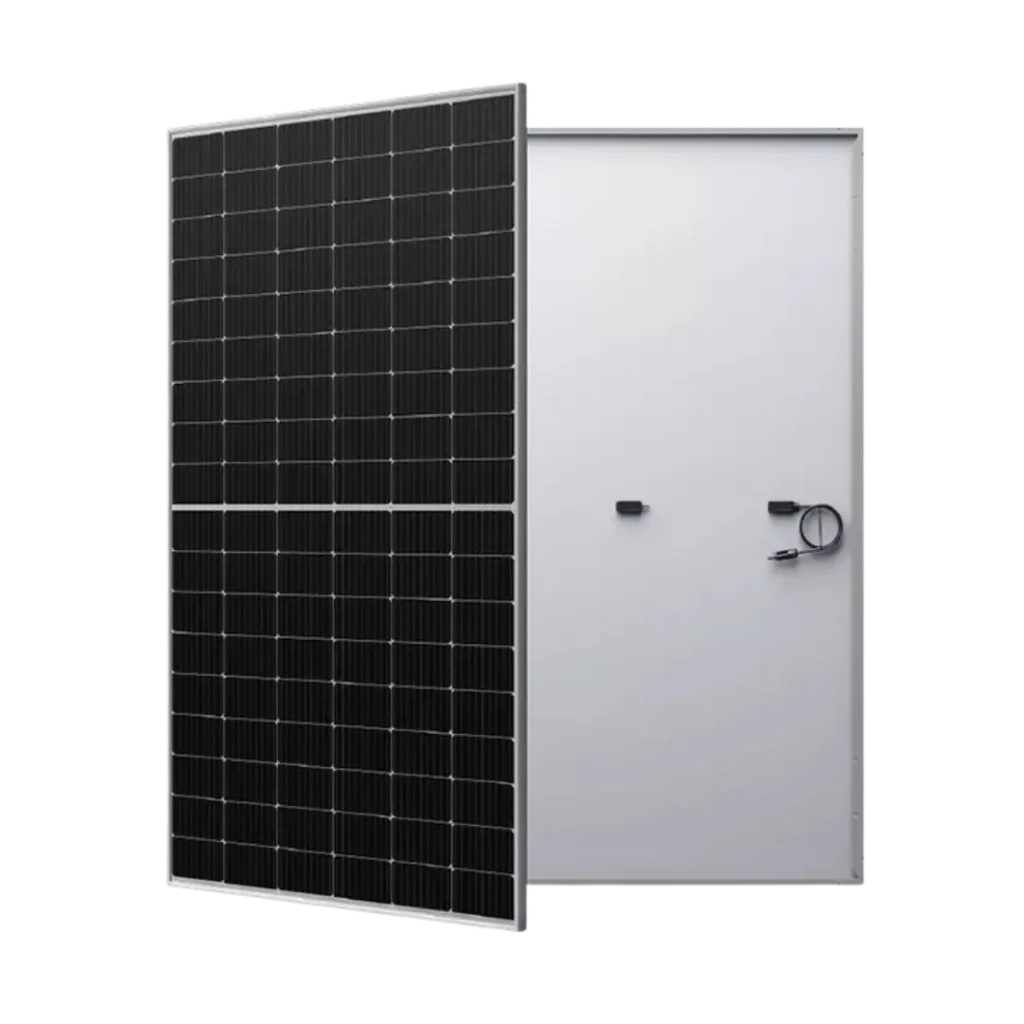
Solar inverter replacement costs in 2026
| Replacement job | Indicative UK cost | Best suited to |
|---|---|---|
| Standard string inverter replacement | £500–£1,500 | Straightforward domestic like-for-like or equivalent swap |
| Hybrid inverter replacement/upgrade | £1,200–£2,500+ | Homes planning battery storage or needing hybrid functions |
| Microinverter replacement | £150–£350 per failed unit, before difficult access | Systems with panel-level microinverters |
| Diagnosis/call-out | Roughly £80–£200 | Confirming whether the inverter is actually faulty |
These are broad 2026 market ranges rather than tariff-style fixed prices. Published UK guides vary because some quotes include commissioning and paperwork while others separate labour or diagnosis. Solar Costs UK
Check whether the quote includes diagnosis, removal, cabling or isolator changes, commissioning, monitoring setup, paperwork and VAT.
For wider system economics, see Get Free Quote’s solar panel cost guide.
What affects the cost of replacing a solar inverter?
1. Inverter size and type
A simple single-phase string inverter for a modest domestic array is usually cheaper than a larger unit, three-phase inverter or hybrid model.
Microinverters work differently because individual panel-level units may be replaced rather than one central inverter. However, roof access can make the labour expensive even when the component itself is relatively small.
2. Compatibility with the existing solar array
The installer should not select a replacement by matching the old inverter’s headline kilowatt rating alone.
The new unit must suit the panels’ string voltage, current, number of strings, MPPT arrangement and the property’s electrical connection. These are among the compatibility checks installers make when selecting an equivalent replacement. Solar Panels Network
Older systems can be more complicated if the original manufacturer has stopped supporting the inverter or the array uses proprietary power optimisers.
3. Electrical and remedial work
Costs rise if isolators, cabling, protection, mounting or the consumer unit need work. Moving the inverter also adds labour.
A replacement quotation should separate necessary remedial work from optional upgrades so you can understand why the price has increased.
4. Access
A wall-mounted string inverter in a garage or utility room may be straightforward to replace.
A failed microinverter beneath roof-mounted panels could require scaffolding or another safe access method. In that situation, access can cost more than the failed device.
Should you repair or replace a failed solar inverter?
Do not order a new inverter from an error code alone.
Lost communications, a tripped protective device, an isolator problem, grid-voltage issues or an array-side fault can resemble inverter failure. Solar repair providers therefore commonly recommend diagnosis before replacement. Eco7 Energy
Check the warranty first. If it has expired, compare a repair with the cost and expected life of a new unit carrying a fresh warranty.
| Situation | Usually worth considering |
|---|---|
| Young inverter, repairable fault, parts available | Repair or warranty claim |
| Older inverter with repeated faults | Replacement |
| Manufacturer no longer supports the model | Compatible replacement |
| Planning a battery soon | Hybrid upgrade may be worth pricing |
| Microinverter system with one failed unit | Replace the affected unit if practical |
The right decision depends on the diagnosed fault rather than age alone.
How long does a solar inverter last?
Energy Saving Trust says a solar inverter may need changing after about 10–12 years, while the solar system itself can keep operating for 25 years. Energy Saving Trust
Many current UK industry guides use a broader 10–15-year planning range for conventional string inverters. FairSolar
One replacement during a solar array’s life is therefore a reasonable budgeting assumption.
Warning signs include persistent fault codes, zero generation in daylight, repeated shutdowns or unexplained falling output. An app fault alone does not prove generation has stopped.
If you want to understand how the system should be tested after work, Get Free Quote’s solar PV commissioning guide explains the wider commissioning process.
Like-for-like replacement or upgrade to a hybrid inverter?
A like-for-like replacement is usually the simplest route. The new inverter need not be the same brand, but it must be compatible with the array and grid connection.
A hybrid inverter costs more because it can manage solar generation and compatible battery storage. It can make sense if a battery is genuinely planned, avoiding duplicated replacement and commissioning work later.
Current UK replacement guides commonly place hybrid upgrades above standard string replacements, often around £1,200–£2,500 or more depending on system size and specification. Solar Panels Network
However, “battery-ready” is not universal future-proofing. Compatibility can be brand- and model-specific. Ask which batteries are supported, whether backup or EPS functionality is included and what a later battery installation would require.
If storage is only a vague possibility, compare the hybrid premium with a standard replacement.
VAT, Feed-in Tariff and DNO considerations
Standalone inverter replacement is not automatically zero-rated
This is an important distinction.
HMRC gives a specific example in which a replacement inverter installed under a separate contract after the original solar installation is standard-rated for VAT. HMRC states that an inverter supplied alone is not one of the qualifying energy-saving materials. GOV.UK
See HMRC’s guidance on replacement inverters and VAT.
Ask the installer to show the VAT treatment clearly rather than assuming the solar-installation zero rate applies.
Feed-in Tariff systems can be repaired without automatically losing accreditation
Ofgem states that replacing generating equipment does not, by itself, mean an accredited installation has been decommissioned or loses its FIT accreditation. However, a modification can affect total installed capacity and other scheme rules. Ofgem
If your system receives FIT payments, tell the contractor before work starts. Check whether your FIT licensee needs to be informed, especially where capacity or other material system details will change.
See the Ofgem decision on replacement generating equipment.
DNO compliance still matters
Do not assume an inverter change is purely an internal electrical job.
Energy Networks Association G98 guidance says a DNO can request compliance testing following the replacement of equipment that could affect a micro-generator’s compliance. It also says that replacing a significant component such as an inverter on an older G83 installation can constitute a substantial modification requiring the installation to meet G98 requirements. energynetworks.org
A competent contractor should check the original connection paperwork, the replacement inverter and the appropriate notification route.
For wider installer checks, see Get Free Quote’s guide to MCS-certified solar installers.
What happens during a solar inverter replacement?
A professional replacement starts with diagnosis and compatibility checks.
The contractor isolates the system, removes the failed unit, fits the replacement, checks DC and AC connections, protection and settings, then recommissions and tests the system.
Ask for the new model and serial number, warranty, commissioning information, monitoring access and relevant electrical or DNO paperwork.
If the original installer has ceased trading, gather any old MCS certificate, DNO letter and equipment records. Even a clear photograph of the existing inverter rating label can help a replacement contractor identify the present specification.
How to compare inverter replacement quotes
Ask each contractor to quote against the same scope.
The quotation should identify the inverter, rating, warranty, compatibility, monitoring and labour included, plus diagnosis, disposal, VAT, commissioning and paperwork.
Do not buy an inverter yourself before compatibility has been confirmed. A cheap unit can become expensive if it does not match the array, requires reconfiguration or creates grid-compliance problems.
For a fuller quote checklist, read Get Free Quote’s solar panel installation quote guide.
Get a few comparable written quotations where practical. Get Free Quote can help you compare home-improvement and renewable-energy quotes without treating the lowest headline price as the only decision factor.
Get Your Free Air Source Heat Pump Quote
Find the right air source heat pump solution for your home. Tell us a few details and our team will help you explore suitable options at a competitive price.
Quick to complete. No obligation.
Get your quote
Enter your details below and one of our team will get back to you.
Frequently asked questions
Find clear answers to common questions about solar inverter replacement costs, lifespan, repairs, hybrid upgrades, batteries, VAT, DNO requirements and replacement installation.
A standard domestic string-inverter replacement commonly costs around £500–£1,500 installed in 2026. Hybrid replacements and upgrades can be around £1,200–£2,500+.
Energy Saving Trust currently gives around £800 as a useful typical replacement figure, although actual quotes vary by system and inverter.
Energy Saving Trust says an inverter may need replacing after about 10–12 years. Many industry guides use roughly 10–15 years as a broader planning range.
Sometimes. The answer depends on the fault, age, warranty, spare-part availability and repair cost. Diagnose the system before assuming replacement is necessary.
Persistent error codes, repeated shutdowns or no generation during daylight can indicate a fault. However, communications problems, electrical protection or grid conditions can cause similar symptoms.
No. A different manufacturer can be suitable if its electrical characteristics, grid compliance, MPPT arrangement and other requirements match your system.
It can be if you realistically expect to add compatible battery storage. If a battery is unlikely, the extra cost may offer little immediate value.
Yes, subject to system design and compatibility. Replacing a failed string inverter can be a convenient time to compare a hybrid-inverter-and-battery option.
Not automatically. HMRC states that a replacement inverter supplied as a standalone job is standard-rated for VAT.
Replacement generating equipment does not automatically cancel FIT accreditation. However, capacity changes and other modifications can affect scheme requirements, so check with your FIT licensee.
It can depend on the existing connection and the replacement. G98 includes requirements relating to replacement equipment and substantial modifications, so the contractor should check the appropriate DNO process.
Not every standalone replacement has identical certification requirements. However, use a contractor competent in solar PV, electrical work and current DNO requirements, and confirm any MCS or tariff-related requirements before work starts.
A straightforward domestic replacement is often completed in one visit. More complex systems can take longer if wiring, protection, roof equipment or grid paperwork requires additional work.
Solar PV replacement is not a sensible DIY task. PV arrays can produce hazardous DC voltage in daylight, and a grid-connected replacement needs appropriate electrical checks, settings and commissioning.
Another suitable solar contractor can assess the installation. Provide any MCS certificate, DNO paperwork, panel information, old inverter details and monitoring records you still have.
Conclusion
For most UK homeowners, £500–£1,500 is a sensible 2026 budgeting range for a standard domestic solar inverter replacement, while hybrid upgrades commonly cost more. Energy Saving Trust’s figure of around £800 remains a useful national reference point. Energy Saving Trust
Before paying for replacement, confirm the fault, check the warranty and make sure the proposed inverter suits the existing array. If battery storage is genuinely planned, price a hybrid option at the same time.
The best quote is the one that restores generation safely, preserves the system’s compliance and clearly includes the equipment, commissioning, paperwork and VAT treatment you actually need.