
Can Air Source Heat Pumps Work in Listed Buildings?
Check Your Eligibility for Boiler Upgrade Scheme (BUS)
Complete your details below to check your eligibility.
Thank you
We've received your details and will be in touch shortly.

Quick Answer
A heat pump can work in a listed building, but listed status changes how the installation must be designed and approved. In England, permitted-development rights for domestic air source heat pumps do not apply on a listed building or within its curtilage, so planning permission will generally be required. Listed Building Consent may also be necessary where the installation affects the building’s special architectural or historic character. Performance depends on heat loss, radiator and pipe sizing, flow temperature, controls and how sensitively the outdoor unit and new services can be installed.
Can Air Source Heat Pumps Work in Listed Buildings?
Yes. An air source heat pump can work well in a listed building, including older homes with solid walls, traditional windows and relatively high heat loss. The key issue is not the age of the property. It is whether the complete heating system can meet its measured heat demand without harming historic fabric or character.
Historic England has found air source heat pumps working successfully in both small and large historic buildings. Where performance disappointed, the cause was often the heating distribution, controls or wider system design rather than the heat pump itself.
For owners of listed homes, a successful project therefore needs a room-by-room heat-loss calculation, careful radiator and pipework assessment, a discreet outdoor-unit location and early discussion with the local conservation officer.
If you are deciding whether the technology suits an older property, read our guide to heat pumps for old houses.
Get a free quote: Compare suitable heat-pump options and arrange a property survey before committing to equipment or planning work.
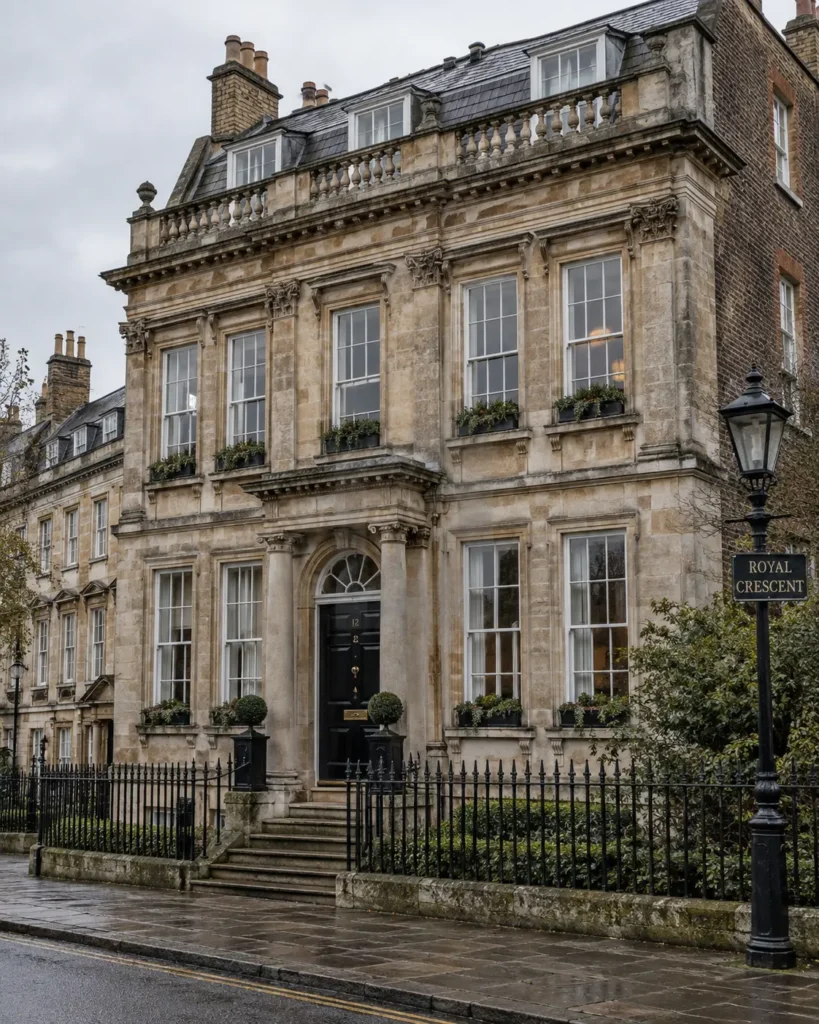
Can a Heat Pump Really Heat a Listed Building?
A listed building does not fail a heat-pump suitability test simply because it is old. What matters is its heat demand and whether the system can provide sufficient heat at a sensible flow temperature.
Historic England reviewed ten small historic properties for its 2023 research and subsequently examined five larger historic buildings across four sites. Its findings show that air source heat pumps can work successfully in historic buildings. Problems were more commonly associated with heat distribution, delivery or system configuration than with the heat-pump technology itself.
A listed cottage with solid walls and traditional glazing may lose more heat than a modern home, but that heat loss can be measured. The designer can then size the heat pump, radiators and pipework around the actual requirement.
The more useful question is therefore not, “Is this property too old?” It is, “What is its room-by-room heat loss, and how can that heat be delivered while preserving the building?”
How an Air Source Heat Pump Works in an Older Home
An air source heat pump extracts low-temperature heat from outside air. An evaporator transfers that heat into refrigerant. A compressor raises the refrigerant’s pressure and temperature, while the condenser transfers the resulting heat into the home’s heating water. An expansion valve then reduces the pressure so the refrigeration cycle can begin again.
In an air-to-water system, the heated water supplies radiators, underfloor heating and a hot-water cylinder. The process continues in cold weather because the refrigerant can absorb useful heat from outdoor air even when the temperature is below freezing.
The important issue in a listed property is flow temperature. Heat pumps normally become more efficient as heating-water temperature falls. Historic England notes that most heat pumps provide heating water around 55°C, while higher-temperature equipment can run hotter but generally with reduced efficiency.
Existing radiators and pipework therefore need assessing rather than automatically replacing. Some older radiators may already provide enough output. Historic heating equipment can also have heritage significance, which means removing it may itself require careful consideration.
Do You Need Planning Permission or Listed Building Consent?
For a listed home in England, never assume normal permitted-development rules apply. The Planning Portal states that domestic air source heat-pump permitted-development rights do not apply where the installation is on a listed building or within its curtilage. See the current Planning Portal guidance for domestic air source heat pumps.
Planning permission and Listed Building Consent are separate controls. Listed Building Consent applies where alterations affect the character of a listed building as a building of special architectural or historic interest. Potentially relevant works include new openings, external fixings, pipe routes and changes to significant internal fabric.
As a result, many listed-building heat-pump projects need both forms of approval. Contact the local planning authority or conservation officer before ordering equipment. Historic England specifically recommends discussing proposals early so potentially unacceptable changes can be identified before significant money is spent.
There is currently no application fee for Listed Building Consent in England, although a separate planning application may carry a fee. A consent application can require drawings, photographs, product specifications and a proportionate heritage statement explaining what is significant and how the proposal affects it.
Rules vary across the UK. Wales also excludes air source heat pumps on or within the curtilage of listed homes from permitted-development rights. Scotland and Northern Ireland have their own listed-building consent regimes.
For the wider rules, read our guide to air source heat pump planning permission.
| Issue | What usually matters in a listed building |
|---|---|
| Outdoor unit | Discreet position, clear airflow and maintenance access |
| Historic fabric | Minimal drilling, chases and irreversible alterations |
| Radiators | Retaining historically significant emitters where practical |
| Pipework | Adequate diameter with routes avoiding important finishes |
| Noise | Manufacturer data, MCS requirements and neighbour impact |
| Controls | Steady, efficient operation rather than boiler-style short bursts |
What Makes a Listed Building Suitable?
1. Accurate Heat-Loss Calculations
A room-by-room heat-loss calculation should come before product selection. Older buildings can contain uncertain wall constructions, air leakage and different materials from room to room, making simple rules of thumb less reliable.
Historic England recommends detailed heat-loss calculations for accurate heat-pump sizing. Where the fabric is particularly uncertain, techniques such as thermal imaging, air-pressure testing or measured U-values can provide additional evidence.
2. Radiators and Pipework That Can Deliver Enough Heat
A correctly sized heat pump can still produce poor results if radiators cannot release enough heat or existing pipework cannot provide the required water flow.
A good design checks radiator output at the proposed operating temperature instead of assuming every radiator must be replaced. Historic England similarly advises assessing existing emitters and pipework before deciding what changes are actually necessary.
3. A Discreet Outdoor Location
The outdoor unit needs unrestricted airflow, but heritage impact also matters. Secondary elevations, less prominent garden positions or other discreet locations may offer better options than a principal façade.
Screens can sometimes reduce visual impact, but they must not obstruct air intake or discharge. Fan and compressor noise should also form part of the design assessment. Historic England recommends considering visual impact, manufacturer airflow requirements and acoustics together.
See our guide to choosing an air source heat pump location before fixing the final position.
4. Space for Hot Water and Electrical Equipment
Most air-to-water systems require a hot-water cylinder rather than producing unlimited hot water instantly like a combi boiler. Space for the cylinder, controls and electrical equipment should therefore form part of the initial survey.
5. A Conservation-Led Installation Strategy
Good historic-building work normally seeks to minimise intervention. Routing services through a modern extension, existing service void or less significant area may be preferable to cutting through historic stone, timber panelling or decorative plaster.
Improving Efficiency Without Damaging Historic Fabric
You do not have to turn a listed building into a modern airtight home before installing a heat pump. However, reducing unnecessary heat loss can reduce the size of the required system and improve running costs.
Maintenance is a sensible starting point. Defective windows, doors and cracks can create avoidable draughts. Loft insulation may be appropriate where important historic material is unaffected. Reversible measures such as secondary glazing or shutters can sometimes improve comfort while retaining original windows. Historic England recommends considering building condition and appropriate heat-loss reductions before sizing the heating plant.
By contrast, external wall insulation is frequently unsuitable for listed properties because it can conceal historic finishes and change details such as window reveals, eaves and architectural features.
A proper heat pump survey should model the property as it will actually be used rather than assuming every possible retrofit measure will be carried out.
A Practical Route From Survey to Consent
- Check the listing entry. Identify the elements that contribute to the building’s architectural or historic significance.
- Speak to the conservation officer. Establish which permissions are likely to be needed before finalising the design.
- Measure the heating requirement. Commission a room-by-room heat-loss calculation and assess radiators, pipework, electrical supply and hot-water demand.
- Compare outdoor locations. Assess visibility, airflow, noise, pipe length and impact on historic fabric.
- Set the design flow temperature. Aim for the lowest practical temperature that can still heat the home comfortably.
- Prepare the consent package. Provide clear drawings, photographs, equipment specifications and heritage-impact information.
- Order equipment after the design is settled. This reduces the risk of buying a unit whose preferred location or pipe route cannot be approved.
Heat-Pump Grants for Listed Buildings
Listed status does not automatically exclude an eligible property from the Boiler Upgrade Scheme in England and Wales. As of September 2026, the standard BUS grant is £7,500 for an air-to-water heat pump. Eligible off-gas-grid properties replacing oil or LPG can receive £9,000 until 31 March 2027.
The installer applies for the grant on the property owner’s behalf, and the value should appear as a deduction from the quotation. Heritage advice, planning work, bespoke service routes or extensive emitter changes can still affect the final project cost.
For the operational side of the decision, see our guide to air source heat pump running costs.
Get Your Free Air Source Heat Pump Quote
Find the right air source heat pump solution for your home. Tell us a few details and our team will help you explore suitable options at a competitive price.
Quick to complete. No obligation.
Get your quote
Enter your details below and one of our team will get back to you.
Frequently asked questions
Find clear answers to common questions about installing air source heat pumps in listed and historic buildings, including consent, planning, single glazing, insulation, radiators, underfloor heating, screening, noise, hot water and Boiler Upgrade Scheme eligibility.
Potentially, but approval is usually needed. In England, normal domestic ASHP permitted-development rights do not apply to installations on listed buildings or within their curtilage.
You need Listed Building Consent where the work would affect the building's special architectural or historic character. Because heat pumps can involve external equipment, holes, pipework and internal alterations, consent is commonly required.
No. They are separate legal controls, and a project can require both.
Yes. Grade II listing does not make heat-pump technology technically incompatible with the property. The proposal still needs to satisfy heating-design requirements and heritage controls.
Heat pumps may still be possible, but proposals affecting exceptionally significant fabric will normally face closer heritage scrutiny. Early specialist and conservation-officer advice is particularly valuable.
It can, but single glazing can increase heat loss. The system needs to be sized against the building's actual heat demand rather than assuming modern levels of insulation.
No. Historic England recommends reducing avoidable heat loss where appropriate, but improvements should respect the building's construction and significance.
Not necessarily. Existing radiator output should be calculated at the proposed heat-pump flow temperature. Some radiators can remain, while others may need enlargement or supplementation.
No. Properly sized radiators can work with an air-to-water heat pump. Underfloor heating is an option rather than a requirement, and altering historic floors may itself require consent.
Sometimes. Screening can reduce visual impact, but it must not interfere with airflow, discharge or manufacturer clearances.
Not inherently. Historic England's case studies found external-unit noise was not an issue for users in the properties studied, although careful siting and acoustic assessment remain important.
Yes. Air source heat pumps extract usable heat from cold outdoor air. Performance changes as outdoor temperature falls, so correct sizing and system design are important.
Yes. An air-to-water system can heat a domestic hot-water cylinder as well as the home's central-heating water.
Listed status is not listed as an automatic exclusion from the Boiler Upgrade Scheme. The property, owner, installer and proposed system must still meet the scheme's eligibility rules.
Alternative positions, less sensitive elevations or different system configurations may need investigating. Historic-property projects sometimes require more design work because the technically best location is not always the most acceptable heritage location.
Can a Heat Pump Listed Building Installation Be Worth It?
Yes, in the right property. Historic England’s research indicates that the heat-pump technology itself is not the main obstacle in historic buildings. The important factors are accurate sizing, heat distribution, controls and an installation strategy that respects the property.
For most owners, the first step should therefore not be choosing a heat-pump brand. Confirm the heritage constraints and commission a detailed heating assessment first.
If both exercises point towards a workable solution, a listed building can often move to efficient heat-pump heating without sacrificing the features that make it historically important.
Compare free quotes: Get a property-specific heat-pump assessment and compare suitable options before committing to installation.


