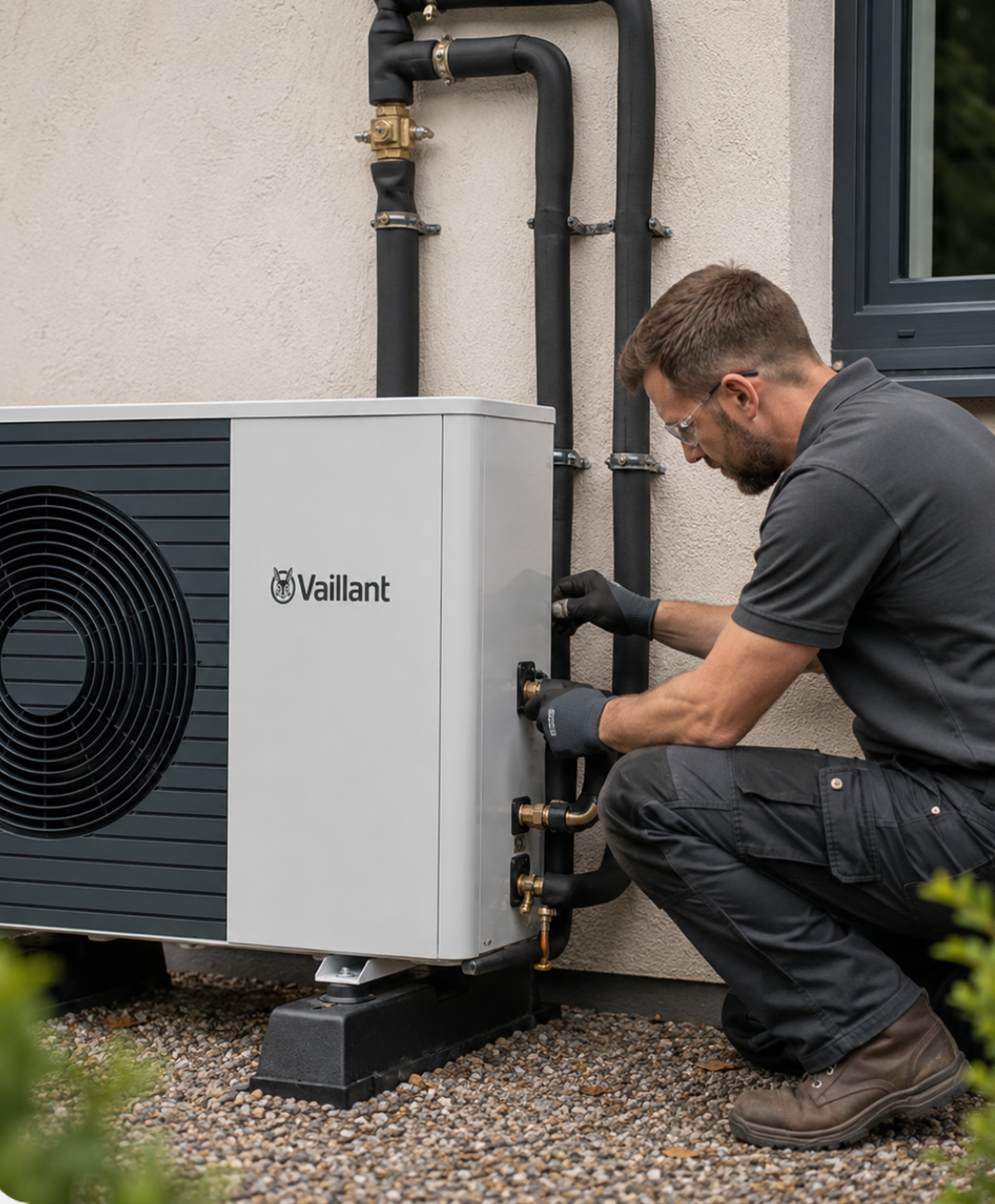
Alternatives to a Gas Boiler: Best UK Options 2026
Check Your Eligibility for Boiler Upgrade Scheme (BUS)
Complete your details below to check your eligibility.
Thank you
We've received your details and will be in touch shortly.
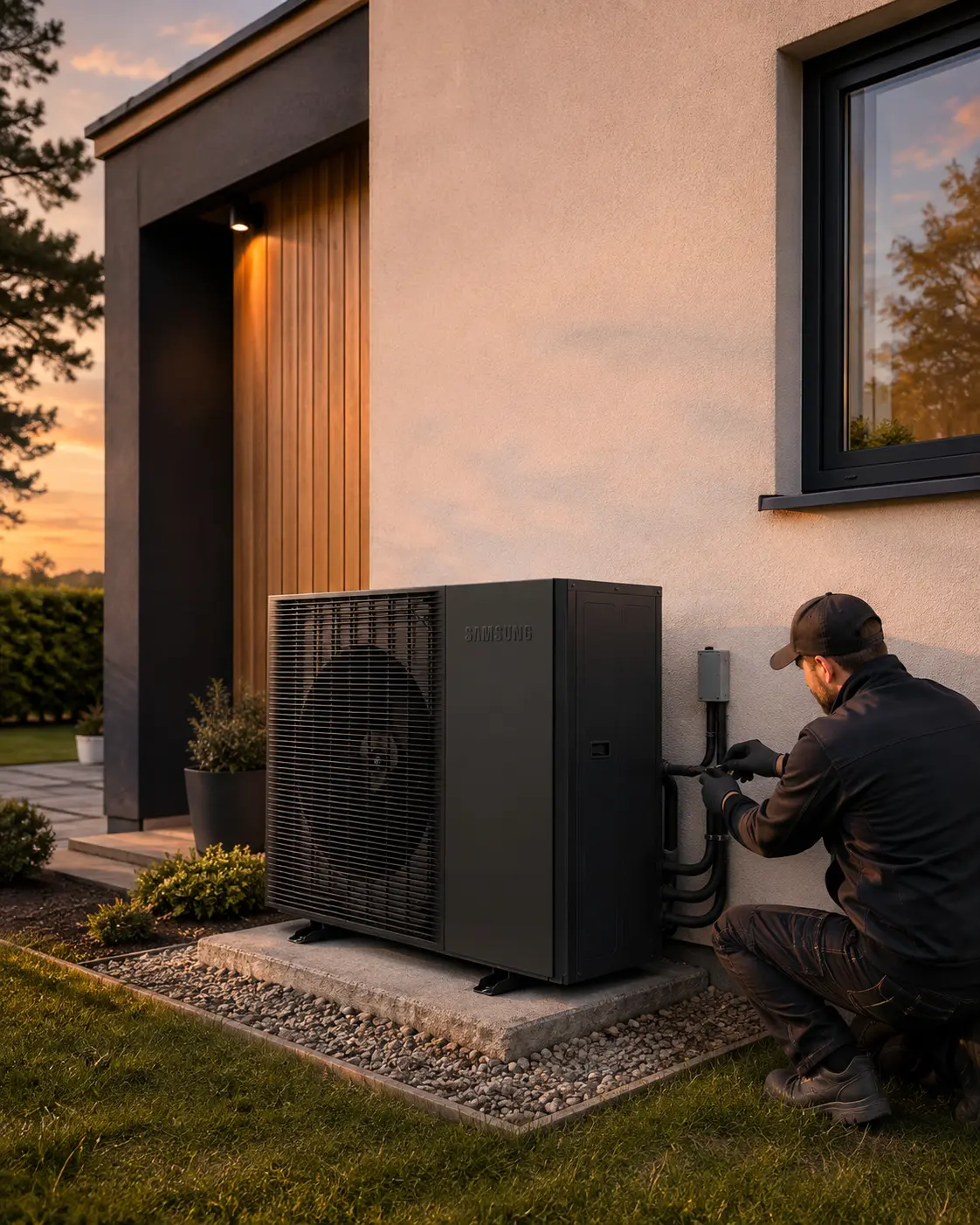
Quick answer: what is the best alternative to a gas boiler?
For most UK homeowners, an air-to-water heat pump is the first alternative worth assessing. It can provide space heating and stored hot water, works with radiators or underfloor heating, and eligible installations in England and Wales can receive £7,500 through the Boiler Upgrade Scheme. Ground source heat pumps can be more efficient but need land or boreholes and usually cost more. Air-to-air heat pumps can suit flats and smaller homes, although hot water normally needs a separate solution. Electric boilers and infrared heating are simpler to install but usually have higher running costs. Biomass is mainly a specialist rural option, while solar thermal supports hot-water production rather than replacing a boiler on its own.
Alternatives to a Gas Boiler: Best UK Heating Options in 2026
If your gas boiler is ageing or no longer fits your plans, there are several realistic alternatives. The strongest option for many UK homes is an air-to-water heat pump, but ground source and air-to-air heat pumps, electric heating, biomass and solar thermal can also make sense.
The right choice depends on heat loss, radiators, hot-water needs, available space and budget. This guide compares the practical options rather than assuming one technology suits every home.
Thinking about replacing your boiler? Compare free, no-obligation heating quotes through Get Free Quote after narrowing down which systems are realistic for your property.
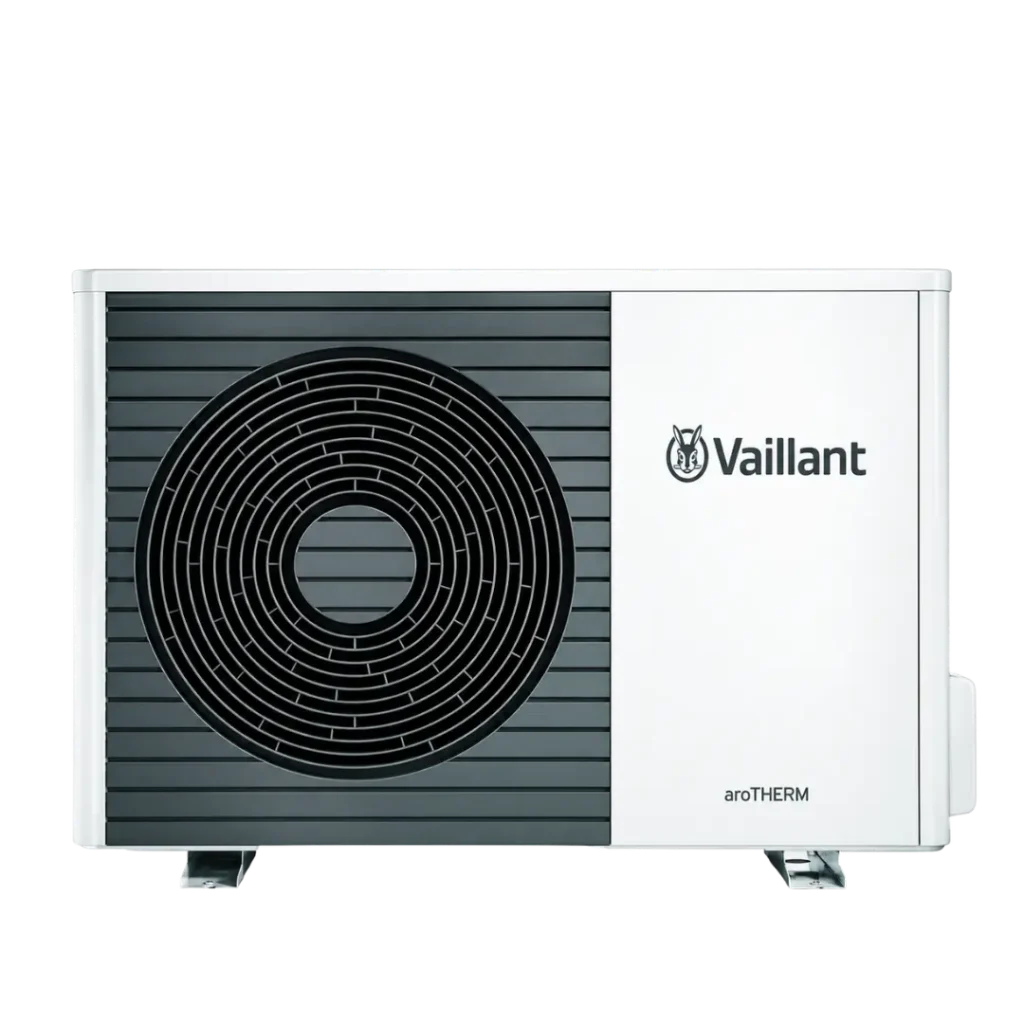
Gas boiler alternatives compared
| Option | Whole-home heating? | Hot water? | 2026 BUS support in England and Wales | Best suited to |
|---|---|---|---|---|
| Air-to-water heat pump | Yes | Yes, usually via cylinder | £7,500 | Most homes with wet heating |
| Ground source heat pump | Yes | Yes | £7,500 | Homes with land or borehole potential |
| Air-to-air heat pump | Yes | Usually separate | £2,500 for eligible residential systems | Flats, smaller homes, no wet heating |
| Electric boiler/direct electric | Yes | Depends on system | No | Small homes or difficult heat-pump sites |
| Biomass boiler | Yes | Yes | £5,000 in limited cases | Some rural, off-gas properties |
| Solar thermal | No | Partly | No | Supplementing hot water |
Current BUS grant categories are confirmed by GOV.UK and Ofgem.
1. Air-to-water heat pumps: the main gas-boiler alternative
For most households replacing a gas boiler, an air-to-water heat pump is the logical starting point. Energy Saving Trust currently puts a typical installation at around £12,000 before grants, although property-specific work can change the final price.
A heat pump does not create heat by burning fuel. An outdoor evaporator absorbs heat into refrigerant. A compressor raises its temperature, the condenser transfers heat into water for radiators, underfloor heating and a hot-water cylinder, and an expansion valve completes the refrigeration cycle.
That is why a heat pump can deliver several units of useful heat for each unit of electricity consumed.
Heat pumps generally work best with lower flow temperatures and steadier operation than gas boilers. Some radiators may need enlarging, but replacing every radiator is not automatic.
For a direct appliance comparison, see Getfreequote.co.uk’s air source heat pump vs gas boiler guide. Its heat-pump suitability guide is also useful because house age alone does not decide whether a heat pump will work.
2. Ground source heat pumps: efficient but more disruptive
A ground source heat pump takes low-grade heat from buried pipework rather than outdoor air. Ground temperatures vary less through the seasons, which can support strong seasonal efficiency.
They make most sense where there is land for horizontal loops or where boreholes are practical. Energy Saving Trust gives around £15,000 as a typical trench-based installation, while borehole systems can cost much more. Its broader guidance gives an indicative figure of up to around £57,000 where borehole work is required.
The advantages are stable performance and no outdoor fan unit. The disadvantages are excavation, access requirements and higher upfront cost.
For a suburban home with a modest garden, air source is usually easier. For a rural detached property with land and a long ownership horizon, ground source deserves comparison.
3. Air-to-air heat pumps: useful for smaller homes
Air-to-air heat pumps move heat from outside air directly into rooms through indoor fan units, so they do not need radiators or wet underfloor heating.
That can suit flats, park homes, smaller houses and properties using direct electric heating. Energy Saving Trust gives an indicative cost of about £3,700 for heating a three-bedroom semi.
The main limitation is hot water. Most systems need a separate immersion heater, electric shower, point-of-use heater or another hot-water solution.
BUS rules now include £2,500 support for eligible residential air-to-air systems. Scheme-funded work requires an appropriately MCS-certified installer, so check current installer availability before relying on the grant. Ofgem lists air-to-air systems as eligible, while Energy Saving Trust reported on 16 October 2026 that MCS-certified air-to-air installer availability was still developing.
4. Electric boilers and direct electric heating
An electric boiler can often connect to an existing wet radiator system with less structural work than a heat pump. Electric radiators, storage heaters and infrared panels can be simpler still.
The drawback is running cost. Resistance heating turns roughly one unit of electricity into one unit of heat, whereas a heat pump can move several units of heat using the same electrical input.
Energy Saving Trust notes that electricity remains much more expensive per unit than gas. Whole-home direct electric heating is therefore unlikely to be the cheapest option for a typical gas-heated house.
It can still suit a very small, highly insulated property or a flat where outdoor equipment and hot-water storage are impractical. Infrared panels are better treated as a room-by-room or supplementary solution than a default gas-boiler replacement.
5. Biomass boilers
Biomass boilers burn wood pellets, chips or logs to provide central heating and hot water. They can feel more familiar than a heat pump because they serve a wet heating system at boiler-like temperatures.
However, you need space for the boiler, fuel storage and deliveries, plus a suitable flue. Local air-quality rules also matter because biomass produces combustion emissions.
Eligible biomass installations can receive £5,000 through BUS, but the option is mainly relevant to certain rural, off-gas properties. For most gas-connected homes, assess heat pumps first.
6. Solar thermal
Solar thermal collectors use sunlight to heat water in a cylinder. Energy Saving Trust estimates a typical installation at around £6,000 and says solar water heating normally supplies roughly half of annual hot-water needs on average.
It does not normally provide enough year-round space heating and hot water to replace a gas boiler alone. Solar thermal therefore works better alongside another heating system, such as a heat pump.
Which alternative is cheapest to run?
There is no universal winner.
Ofgem’s current price-cap rates show average Direct Debit rates of 26.32p/kWh for electricity and 7.97p/kWh for gas from 1 October to 31 December 2026. Those figures make direct electric resistance heating expensive compared with gas for the same amount of useful heat.
Heat pumps change the comparison because they move heat. With good seasonal efficiency, a heat pump can compete with or beat gas on fuel costs. Getfreequote.co.uk’s current heat-pump running-cost guide explains why seasonal performance and tariff choice matter more than comparing electricity and gas unit prices alone.
Ground source can be especially efficient, but higher installation cost matters. Biomass economics depend on fuel prices and storage logistics.
How to choose the right alternative to a gas boiler
Start with the property, not the product.
Calculate heat loss. A room-by-room assessment shows how much heat the home needs on a cold day.
Check radiators or underfloor heating. Existing emitters must deliver enough heat at the proposed flow temperature.
Plan hot water. If you have a combi boiler, check where a cylinder would go and what capacity you need.
Check space. Outdoor units, cylinders, biomass stores and ground loops have different requirements.
Compare complete costs. Include radiators, electrics, pipework, controls, cylinders and groundworks.
Compare predicted running costs. Ask for seasonal performance, not just a headline COP.
MCS recommends a comprehensive property survey before final design. Its heat-load methodology considers the property room by room rather than relying on crude rules based on floor area or house age.
What grants are available in 2026?
In England and Wales, the Boiler Upgrade Scheme currently provides £7,500 towards eligible air-to-water and ground source heat pumps, £2,500 towards eligible residential air-to-air heat pumps and £5,000 towards eligible biomass boilers.
The temporary £9,000 heat-pump grant applies to qualifying off-gas-grid properties replacing oil or LPG until 31 March 2027. It does not apply to a normal mains-gas boiler replacement.
For the current rules, read Getfreequote.co.uk’s Boiler Upgrade Scheme 2026 update and the official GOV.UK Boiler Upgrade Scheme guidance before signing a contract.
Get Your Free Air Source Heat Pump Quote
Find the right air source heat pump solution for your home. Tell us a few details and our team will help you explore suitable options at a competitive price.
Quick to complete. No obligation.
Get your quote
Enter your details below and one of our team will get back to you.
Frequently asked questions
Find clear answers to common questions about alternatives to gas boilers in the UK, including heat pumps, grants, running costs, electric heating, infrared panels, solar thermal, biomass, radiators, hot-water cylinders and future gas-boiler rules.
For many homes, an air-to-water heat pump is the strongest option because it provides heating and hot water and can receive a £7,500 BUS grant in England and Wales. Property suitability and running costs still need checking.
Yes. A correctly designed air-to-water or ground source heat pump can provide both space heating and stored domestic hot water.
It can be, but not automatically. Seasonal efficiency, electricity tariff, heat demand and gas prices determine the result.
Energy Saving Trust currently estimates a typical air source heat-pump installation at around £12,000 before grants. Final quotations depend on property size and required system alterations.
For a typical mains-gas property in England or Wales, eligible air-to-water and ground source heat pumps can receive £7,500 through BUS.
Normally, no. The temporary £9,000 rate applies to qualifying off-gas-grid homes replacing oil or LPG with an eligible air-to-water or ground source heat pump.
BUS rules include £2,500 for eligible residential air-to-air heat pumps. The installation must satisfy scheme requirements, including MCS certification requirements.
Direct electric heating can have a lower upfront cost than a whole-house heat-pump retrofit. However, lower installation cost does not necessarily mean lower lifetime cost because electricity is relatively expensive.
Usually not on standard tariffs. Electric resistance heating uses roughly one kWh of electricity to produce one kWh of heat, while electricity currently costs considerably more per kWh than gas.
They can work well for individual rooms or low-demand properties, but Energy Saving Trust does not generally recommend replacing gas central heating with whole-house infrared heating because of electricity costs.
Not normally. Solar thermal can provide a significant share of domestic hot water but needs another system for winter hot water and space heating.
Usually only in specific circumstances. Biomass needs fuel storage, deliveries, a flue and ongoing maintenance, so it tends to suit certain rural properties better than typical gas-connected homes.
Yes, many can. Suitability depends more on calculated heat loss, emitter output and system design than on the property's age alone.
Not necessarily. Each radiator should be checked against the room's heat loss and the proposed heating-water temperature. Some existing radiators may already be large enough.
Usually, if you choose an air-to-water or ground source heat pump. Most domestic heat-pump systems store hot water rather than producing large amounts instantaneously like a gas combi boiler.
Existing homeowners are not currently required to remove working gas boilers. In England, the Future Homes Standard comes into force from 24 March 2027 for new homes and sets performance requirements that conventional gas boilers will not meet.
Conclusion: what should replace a gas boiler?
For many gas-heated UK homes, an air-to-water heat pump is the first alternative to assess. It offers whole-home heating, hot water and substantial grant support without the land requirements of ground source.
Ground source can be excellent where the site and budget suit it. Air-to-air deserves attention for smaller homes and flats. Direct electric heating is simple but usually costly across a whole house. Biomass is a specialist rural option, while solar thermal is best used as support.
The next step is comparing properly designed systems for your actual home. Use Get Free Quote to compare heating quotes, then judge each proposal by total installed cost, predicted seasonal efficiency, hot-water practicality, warranty and expected running costs.